China-Pakistan 'Iron Brothers' Mark 73 Years of Strategic Ties
 May, 27 2026
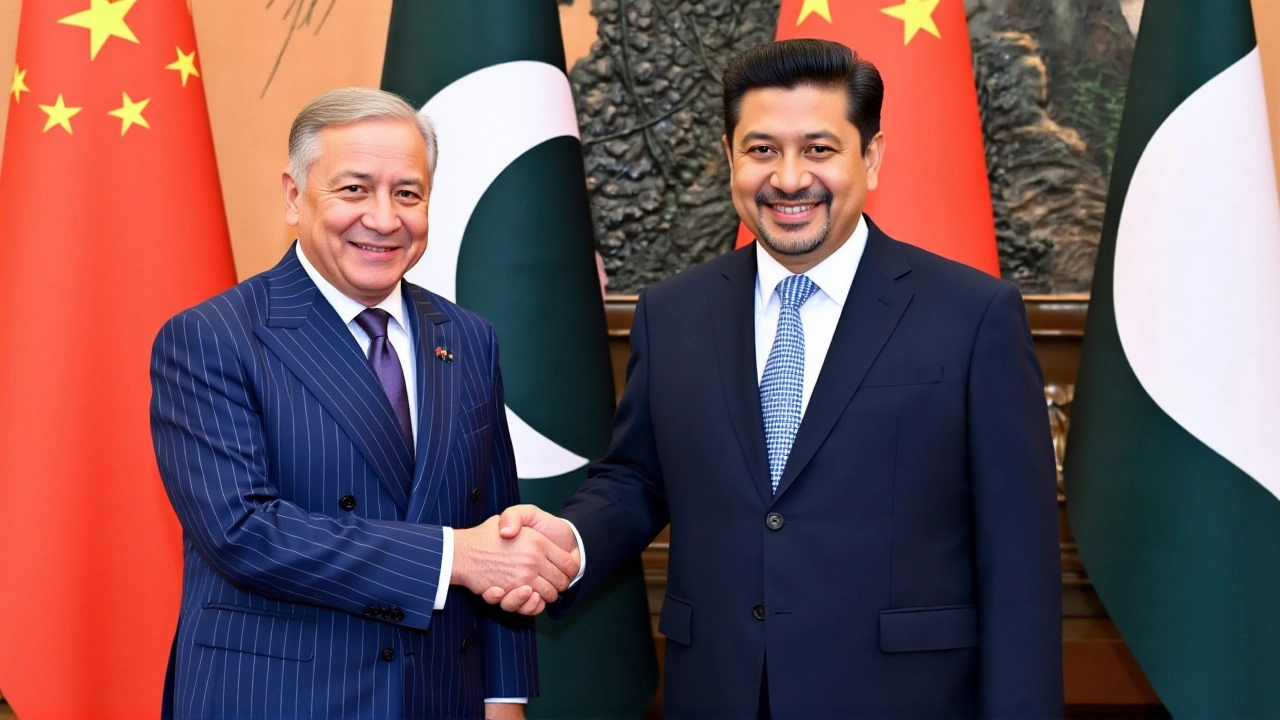
When Islamabad and Beijing first shook hands on May 21, 1951, the world was still reeling from World War II. Fast forward to 2024, and that initial diplomatic nod has hardened into what analysts call an "all-weather" partnership. It’s not just friendship; it’s a strategic lifeline.
Here’s the thing: this isn’t your typical neighborly bond. Over 73 years, Pakistan and China have woven themselves together through infrastructure, defense, and deep economic interdependence. While other alliances fluctuate with political winds, this one stays put. Hence the nickname: "Iron Brothers."
From Diplomatic Nod to Iron Clad Alliance
The relationship started cautiously. In 1951, Pakistan was looking for balance in a region dominated by Cold War tensions. China, newly established as the People's Republic, needed international recognition. They found common ground quickly. By 2013, they formalized their ties further, entering their 11th year as "Comprehensive Strategic Partners" in 2024.
But words like "evergreen friendship" or "higher than the Himalayas" are just rhetoric until you look at the concrete. Literally. The Karakoram Highway stands as the physical symbol of this union. Built jointly, it connects Pakistan’s Gilgit-Baltistan region to China’s Xinjiang Uyghur Autonomous Region. It’s a engineering marvel carved out of some of the most rugged terrain on Earth, serving as a vital trade and military artery.
The Economic Reality: Debt and Development
Turns out, iron bonds come with a price tag. The centerpiece of modern Sino-Pakistani relations is the China–Pakistan Economic Corridor (CPEC). This multi-billion dollar initiative aims to upgrade infrastructure, boost energy production, and link China’s western regions to the Arabian Sea via the port of Gwadar.
However, the financial picture is complex. According to recent reports, Pakistan owes China approximately $26.6 billion. That figure represents about 23% of Pakistan’s total external debt, according to International Monetary Fund (IMF) estimates. In May 2024, Islamabad requested five additional years to repay a specific $15.5 billion loan tranche. Beijing, focused on its own economic stability, remains committed to collecting every penny, though it hasn't publicly pressured Islamabad aggressively. Meanwhile, bilateral trade hit roughly $20 billion in 2023, but experts note the relationship remains largely asymmetric, with Pakistan struggling to export enough services or goods to balance the ledger.
Military Dependence and Arms Data
Let’s talk defense. The numbers are stark. Data from the Stockholm International Peace Research Institute (SIPRI) reveals that between 2019 and 2023, China supplied 82% of all weapons imported by Pakistan. That’s a massive increase from previous periods. During that same window, Pakistan’s overall arms imports rose by 43%, accounting for 4.3% of global arms trade flows.
This dependency isn’t accidental. It’s strategic. For Pakistan, Chinese hardware offers a reliable alternative to Western suppliers who often attach human rights or democratic governance conditions to sales. For China, it ensures a friendly neighbor maintains regional stability and counters Indian influence. It’s a classic case of mutual geopolitical interest driving procurement decisions.

Geopolitical Implications and Future Outlook
Why does this matter beyond South Asia? Because this alliance shifts the balance of power in the region. As India strengthens ties with the United States, Pakistan leans deeper into China’s orbit. The "China Index 2022" ranked Pakistan among the countries most influenced by Beijing across economic, political, media, and military metrics.
Looking ahead, the challenge for both nations is sustainability. Can Pakistan manage its debt burden while continuing to invest in CPEC projects? Will China continue to absorb the risks associated with investing in a politically volatile neighbor? The details are still unclear, but high-level visits in 2024 suggest both sides are determined to keep the engine running.
Frequently Asked Questions
How old is the China-Pakistan alliance?
Formal diplomatic relations were established on May 21, 1951. By May 2024, the two nations celebrated their 73rd anniversary of these ties, marking over seven decades of continuous engagement.
What is the Karakoram Highway?
It is a major highway connecting Pakistan’s Gilgit-Baltistan region with China’s Xinjiang province. Often cited as a symbol of the "Iron Brother" relationship, it facilitates critical trade and military logistics through the harsh Himalayan terrain.
How much debt does Pakistan owe to China?
As of recent reports in 2024, Pakistan’s total debt to China stands at approximately $26.6 billion. This constitutes roughly 23% of Pakistan’s total external debt, according to IMF data, highlighting significant financial reliance.
Is China Pakistan's main arms supplier?
Yes. According to SIPRI data covering 2019-2023, China provided 82% of Pakistan’s weapon imports. This dominance reflects a strategic shift away from traditional Western suppliers toward Chinese defense manufacturing.
What is CPEC?
The China-Pakistan Economic Corridor (CPEC) is a flagship infrastructure project under China’s Belt and Road Initiative. It includes highways, railways, energy plants, and the development of the Gwadar Port, aiming to enhance connectivity and economic growth in Pakistan.