Rajinikanth Denies Jealousy of CM Vijay: 'I'm Not That Low'
 May, 26 2026
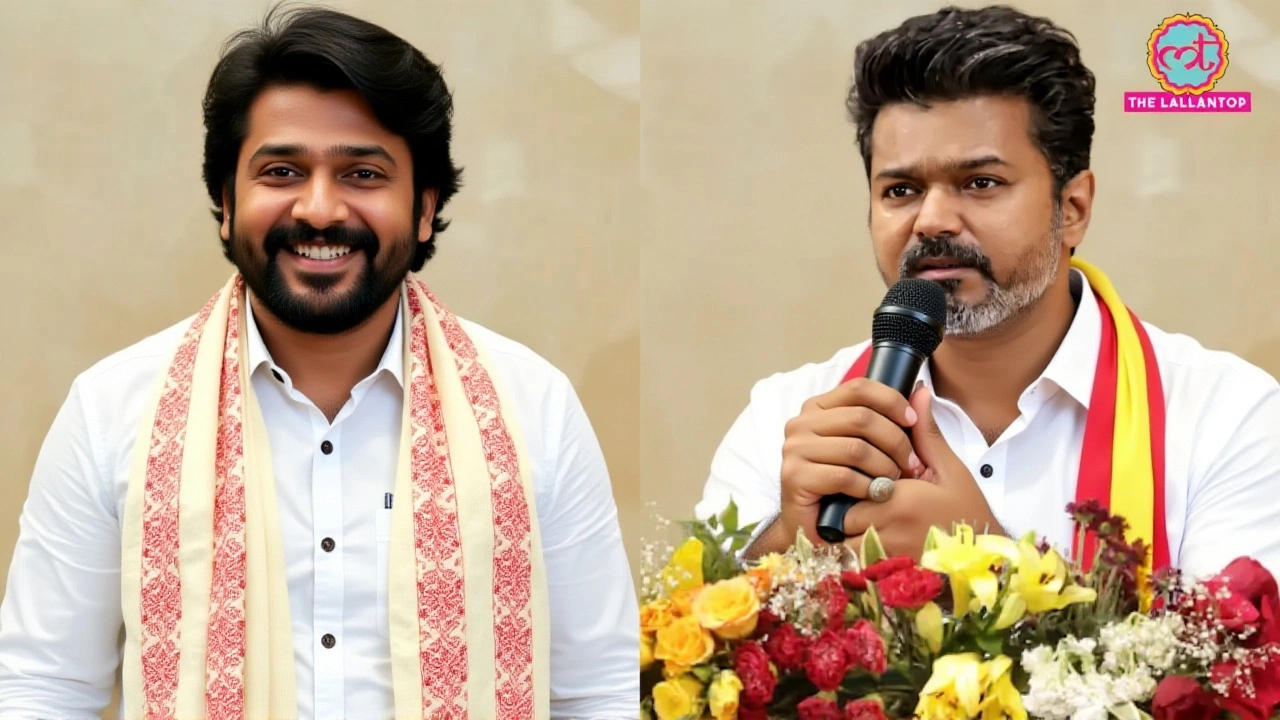
When Rajinikanth, the legendary actor and political figure, was asked if he felt jealous of his former co-star turned Chief Minister, he didn't mince words. "I am not that low," he told reporters bluntly. The comment came amid swirling rumors in Chennai suggesting the superstar harbored resentment over Vijay, also known as Thalapathy Vijay's decisive election victory.
The denial wasn't just about ego; it was a strategic move to distance himself from the growing political chaos surrounding the new government. While Vijay celebrates his mandate, Rajinikanth is carefully navigating a minefield of old alliances and new rivalries.
Clarifying the Relationship with Stalin
Here's the thing: Rajinikanth's comments weren't limited to Vijay. He addressed another elephant in the room—his recent meeting with former Chief Minister M.K. Stalin. Critics had speculated that this visit signaled a political realignment or perhaps sympathy for the defeated Dravida Munnetra Kazhagam (DMK) leadership.
"M.K. Stalin is my friend of three decades," Rajinikanth explained. He emphasized that their interaction post-election results was purely personal, rooted in a friendship that has survived nearly 30 years of changing political tides. By framing the meeting as private, he effectively shut down narratives suggesting a secret pact against the new administration.
This distinction matters because in Tamil Nadu politics, personal relationships often blur into policy alignments. Rajinikanth’s insistence on the non-political nature of the visit serves to protect his own ambiguous political stance while respecting long-standing bonds.
AIADMK's Internal Crisis Deepens
While Rajinikanth manages his public image, the All India Anna Dravida Munnetra Kazhagam (AIADMK) is facing an existential crisis. Reports indicate that the party has officially announced its separation from the National Democratic Alliance (NDA). This isn't just a procedural split; it reflects deep internal fractures.
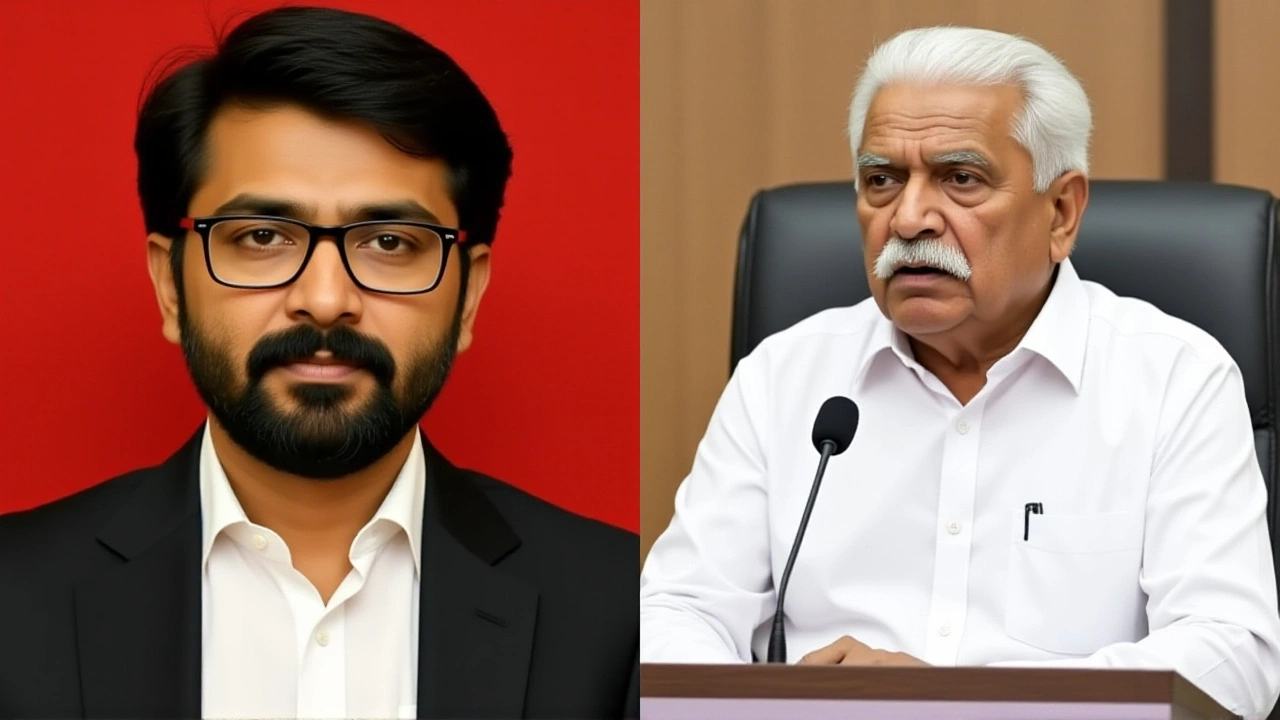
The twist is the rebellion within the party ranks. A faction led by the Shanmugam group has openly challenged the leadership of Edappadi K. Palaniswami. Sources suggest that Palaniswami’s authority is no longer universally accepted within the party hierarchy. This infighting weakens the primary opposition to the DMK-Vijay axis, creating a power vacuum that could reshape the state’s political landscape for years.
The details are still unclear regarding exactly how many MLAs have defected, but the sentiment of dissent is palpable. For a party that once dominated Tamil Nadu politics, this fragmentation signals a potential end of an era.
Vijay's Early Administrative Moves
Meanwhile, the new Chief Minister is hitting the ground running. Early reports claim Vijay has taken significant administrative action, including orders to close liquor shops. Whether these are symbolic gestures or part of a broader prohibition policy remains to be seen, but they resonate with his voter base.
One live news report, streamed 12 days ago and viewed over 28,000 times, highlighted this "big action." The video mentioned an upcoming floor test in the Tamil Nadu Legislative Assembly, underscoring the immediate pressure on the new government to prove its majority. This timeline suggests that Vijay’s administration is moving quickly to consolidate power before any formal challenges arise.
Interestingly, experts note that Vijay’s popularity—often described as a "storm" or "Aandhi" in local media—has significantly weakened Stalin’s political grip. While specific seat counts vary, the shift in momentum is undeniable. Vijay’s transition from cinema star to head of state appears smoother than anticipated, leveraging his massive fan following into tangible political capital.
What This Means for Tamil Nadu
The ripple effects of this election are profound. With Rajinikanth neutralizing jealousy rumors, AIADMK fracturing, and Vijay asserting early control, Tamil Nadu is entering a period of uncertainty. The traditional bipolar politics between DMK and AIADMK is dissolving, replaced by a more complex multi-party dynamic.
For voters, this means less predictable governance. For politicians, it means survival depends on agility rather than legacy. Rajinikanth’s statement, "I am not that low," might seem like a simple denial of envy, but in context, it’s a declaration of independence from the petty squabbles that now define the opposition.
Frequently Asked Questions
Did Rajinikanth express jealousy towards Vijay?
No, Rajinikanth explicitly denied feeling jealous. When asked by the media, he stated, "I am not that low," clarifying that he holds no ill will or competitive resentment toward Vijay’s success as Chief Minister.
Why did Rajinikanth meet M.K. Stalin after the election?
Rajinikanth clarified that the meeting was personal, not political. He cited a friendship spanning three decades with M.K. Stalin, emphasizing that their interaction was based on long-standing personal ties rather than any strategic alliance against the new government.
What is happening within the AIADMK party?
The AIADMK is experiencing severe internal conflict. The party has announced its exit from the NDA coalition, and a faction led by the Shanmugam group is rebelling against the leadership of Edappadi K. Palaniswami, challenging his authority and creating a leadership crisis.
Has Vijay taken any major actions as Chief Minister yet?
Yes, early reports indicate Vijay has ordered the closure of liquor shops, signaling a strict administrative approach. Additionally, his government is preparing for a floor test in the Legislative Assembly to confirm its majority status.
How does Vijay's win affect M.K. Stalin's political standing?
Experts describe Vijay's victory as a "storm" that has significantly weakened M.K. Stalin's political hold. The shift in power dynamics suggests that the DMK's influence may decline as Vijay leverages his massive popularity to establish a new political order in Tamil Nadu.